Industrial Power Tools for Demanding Work
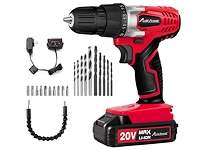
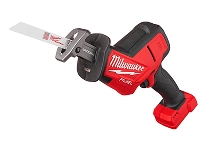
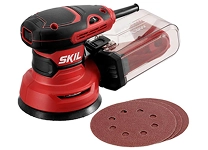
Industrial power tools are designed to support repetitive, high-load work in manufacturing, construction, maintenance, fabrication, and other professional environments. The category includes corded and cordless drills, impact drivers, grinders, circular and reciprocating saws, rotary hammers, demolition tools, sanders, and specialty equipment. Compared with tools intended mainly for occasional household tasks, industrial models are commonly selected for durability, controlled performance, serviceability, and compatibility with jobsite accessories. The right tool can help crews drill anchor holes, cut stock, remove material, fasten components, or maintain production equipment. When comparing options, consider the task, material, operating conditions, and expected duty cycle rather than relying on power figures alone. Ubuy helps shoppers discover industrial power tools and related equipment from international product ranges.
- Tools for construction, fabrication, and maintenance
- Corded and cordless options
- Choose by task, material, and duty cycle
Compare Power Sources, Performance, and Controls
Corded tools provide continuous power while connected to a suitable supply, making them useful for stationary work or extended applications where access to power is available. Cordless tools offer mobility and can be convenient across large sites, but battery platform, voltage, amp-hour capacity, charging time, and spare-battery access all affect practical productivity. Brushless motors can improve efficiency and reduce routine motor wear compared with brushed designs, while variable-speed triggers, selectable modes, and electronic braking help users control work. For drills and impact tools, compare torque, speed range, chuck or holder type, and clutch settings. For saws and grinders, examine cutting or disc capacity and speed regulation. Ubuy provides a place to browse international industrial tool choices; verify product specifications and power compatibility before purchasing.
- Assess battery platform and runtime
- Compare motor, speed, and torque specifications
- Check power compatibility and control features
Explore Tool Types and Jobsite Accessories
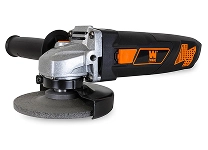
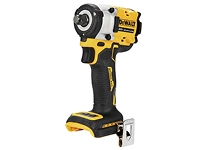
Choose a tool configuration suited to the operation. Rotary hammers use hammering action for masonry drilling, while demolition hammers focus on breaking and chipping; SDS-plus and SDS-max describe common bit and accessory systems. Angle grinders handle grinding and cutting with compatible discs, and metalworking saws provide purpose-built cutting for stock and profiles. Impact wrenches are used for high-torque fastening, while magnetic drills can support holemaking in suitable steel applications. Accessories affect performance and fit: drill bits, hole saws, abrasive wheels, blades, chisels, sockets, dust-extraction attachments, guards, and carrying cases each serve different tasks. Check the tool's attachment interface, size limits, material suitability, and rated operating speed before pairing accessories. Replacing worn consumables and using the correct accessory type can help maintain consistent results.
- Match tool type to the operation
- Check SDS, arbor, chuck, or socket interfaces
- Select task-appropriate blades and abrasives
Materials, Compatibility, and Safe Operation
Industrial tools may be used on concrete, masonry, steel, aluminum, timber, plastics, and composite materials, but the correct tool setup varies by substrate. Match drill-bit geometry, blade tooth design, abrasive type, and cutting speed to the material and operation. Consider ergonomics, handle design, vibration control, weight, balance, and visibility when a tool will be used for extended periods or overhead. Dust extraction connections can be important for work that produces fine debris, and guards or auxiliary handles may be required for particular tasks. Confirm that batteries, chargers, accessories, and replacement parts belong to a compatible platform and fit the exact model. Follow the manufacturer's instructions, use appropriate personal protective equipment, and inspect tools, cords, batteries, and accessories before use. These checks support safer, more dependable work.
- Match consumables to the work material
- Verify platform and accessory compatibility
- Use guards and appropriate protective equipment
Plan for Maintenance, Storage, and Total Value
A purchase decision should account for more than the initial tool specification. Consider how often the equipment will be used, whether accessories and replacement components are easy to identify, and how the tool fits existing battery platforms or workshop systems. For cordless equipment, compare the cost and practical value of tool-only listings with kits that include batteries and a charger. Routine care may include cleaning vents, checking fasteners and guards, inspecting cords or battery housings, and replacing worn brushes or consumables when specified by the manufacturer. Store tools in a dry, organized location and protect precision accessories from damage. Before ordering through Ubuy, compare model numbers, included components, compatibility details, and stated electrical requirements across product listings. Clear specifications make it easier to select equipment suited to the work.
- Compare kits, bare tools, and platform costs
- Review model numbers and included components
- Follow manufacturer care and storage guidance
Select the Right industrial power tools
Start with the primary job: drilling, fastening, cutting, grinding, demolition, or finishing. Then identify the materials, work volume, access to power, and level of portability required. Narrow the options by checking duty suitability, speed or torque range, tool dimensions, ergonomics, compatible accessories, and required safety features. For cordless models, factor in battery capacity and the availability of compatible packs; for corded equipment, check electrical specifications and cable arrangements. Compare product details carefully, especially when choosing specialist systems such as SDS rotary hammers, metal-cutting saws, or dust-extraction-ready tools. Industrial power tools from brands such as Bosch, DeWalt, Makita, and Milwaukee cover a range of professional applications, with specifications varying by model. A focused shortlist helps you purchase equipment that fits the task and can integrate with your existing setup.
- Define the task and operating conditions first
- Check specifications at the model level
- Choose tools that fit your existing setup