Explore Digital Camera Types and Formats
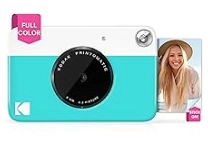
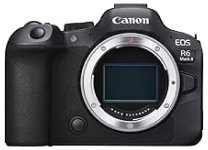
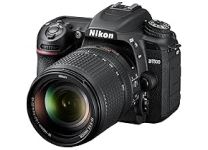
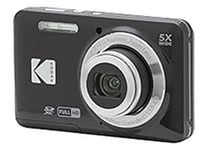
Digital cameras range from compact point-and-shoot models to interchangeable-lens systems designed for more specialized photography. Compact cameras keep controls and lenses together, making them convenient for everyday pictures and travel. Bridge cameras offer extensive zoom ranges and camera-style handling without requiring separate lenses. Mirrorless cameras combine interchangeable lenses with electronic viewfinders or rear screens, while DSLR cameras use an optical viewfinder and mirror mechanism. Action cameras are small, rugged options for movement and outdoor recording, and medium-format cameras are built for detailed, high-resolution work. A camera's size, weight, controls, and lens system all affect how it fits a photographer's routine. When browsing digital cameras on Ubuy, compare these formats with the kinds of subjects, locations, and carrying preferences that matter to you.
- Compact, bridge, mirrorless, and DSLR options
- Action and medium-format cameras for specialized needs
- Compare handling, portability, and lens systems
Understand Camera Sensors, Resolution, and Lenses
The sensor records light and has a major influence on image quality, depth of field, and low-light performance. Full-frame, APS-C, Micro Four Thirds, and smaller sensor formats each involve different trade-offs in camera size, lens selection, and image characteristics. Megapixels describe image resolution, but they are only one consideration; sensor performance, lens quality, and intended print or display size matter too. Interchangeable-lens cameras may use wide-angle lenses for landscapes, standard zooms for everyday scenes, telephoto lenses for distant subjects, or macro lenses for close-ups. Check lens mount compatibility before choosing additional glass, since lenses are not universally interchangeable. Image stabilization, maximum aperture, and focal length are useful specifications to compare when matching a lens to your photography.
- Compare sensor format as well as megapixels
- Match focal length to the subject and scene
- Confirm lens mount compatibility
Compare Autofocus, Video, and Connectivity Features
Modern camera features can make shooting more responsive and help fit equipment to both still photography and video. Autofocus systems may track faces, eyes, animals, or vehicles, while burst shooting helps capture a sequence of fast action. For video, compare resolution, frame rates, recording formats, microphone inputs, and whether the camera offers a clean output for external recording. An electronic viewfinder can preview exposure and color, while a vari-angle screen is useful for low-angle compositions, self-recording, and vlogging. Wi-Fi and Bluetooth can support image transfer or remote control through compatible devices, though functions vary by model and application. Battery capacity, card-slot configuration, and control layout also affect day-to-day use, so check the specifications against your shooting habits rather than relying on a single headline feature.
- Look for subject-tracking autofocus
- Compare video resolution and frame rates
- Check screen, viewfinder, and connectivity options
Choose Memory Cards, Batteries, and Camera Accessories
The right accessories help a camera stay ready for planned shoots and changing conditions. Memory cards should meet the camera's supported format, capacity, and speed requirements; demanding video modes and continuous bursts can call for faster cards. A spare battery is useful for extended sessions, but confirm that it matches the camera model and charging system. Camera bags and protective cases help organize equipment, while tripods support steady framing for landscapes, portraits, and long exposures. External flashes, microphones, filters, and remote releases can add capabilities when the camera supports them. Check accessory connections and compatibility before purchasing, including hot-shoe design, filter diameter, microphone input, and USB or charging standards. Ubuy can help shoppers discover international digital camera models and compatible accessories, so review product specifications carefully when comparing options.
- Match cards and batteries to camera specifications
- Check accessory mounts, ports, and filter sizes
- Consider a bag, tripod, or external microphone
Use and Care for Digital Cameras
Good camera habits help protect equipment and support consistent results across everyday photography. Use a lens cap when the camera is stored, and clean lenses with suitable tools rather than clothing or household cleaners. Keep dust away from the sensor area when changing lenses, and follow the manufacturer's instructions if sensor cleaning is needed. After outdoor use, remove dirt and moisture with a soft cloth and allow equipment to dry before storing it. Weather sealing can offer added protection on some models, but it does not make every camera waterproof; check the stated care guidance. Format memory cards in the camera when appropriate, transfer files regularly, and keep important images backed up. Ubuy offers a place to explore cameras and accessories for varied uses, from family photography and travel to wildlife, events, and content creation.
- Clean lenses with appropriate camera tools
- Follow model-specific care and weather guidance
- Transfer and back up image files regularly
Select the Right digital cameras
Start with the photographs and videos you expect to make, then narrow choices by camera type, sensor format, lens availability, and budget. A lightweight compact or mirrorless kit may suit casual use and travel, while a DSLR or mirrorless system with specialist lenses can support more involved work. Compare autofocus performance, stabilization, viewfinder design, screen movement, battery life, and video tools against your priorities. If you already own lenses or accessories, verify they fit the camera's mount and connections before switching systems. Consider the total kit, including memory cards, spare batteries, and a protective bag, rather than assessing the camera body alone. Read specifications for the exact model and regional variant, since included accessories and supported features can differ. Choosing around your real needs helps you find a camera that is practical to carry and comfortable to use.
- Prioritize your main subjects and shooting style
- Check system compatibility and total kit needs
- Compare exact model specifications before buying