Understanding Dog Supplements and Vitamins
Dog supplements and vitamins can complement a complete, balanced diet by supplying selected nutrients or functional ingredients. They come in formats such as chewable tablets, soft chews, powders, capsules, liquids, and nutrient-rich oils, making it easier to find an option that suits a dog's routine and preferences. Products may be formulated for general wellness or specific needs, including joint mobility, skin and coat condition, digestion, or nutritional support during particular life stages. Supplements are not a substitute for appropriate food or veterinary care, and more is not always better: excessive amounts of some nutrients can be harmful. A dog's age, size, diet, health history, and any medicines all matter when choosing a product. Understanding the intended use and reading the label carefully are useful first steps.
- Formats include chews, powders, oils, and liquids
- Formulas may target specific wellness needs
- Consider diet, age, size, and health history
Common Types and Wellness Uses
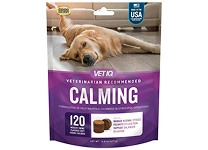
Different supplement categories address different aspects of a dog's daily care. Joint formulas often contain ingredients such as glucosamine, chondroitin, or green-lipped mussel, while omega-3 fish oil products are commonly chosen to support skin and coat care. Probiotics and prebiotic fibers are used in digestive wellness products; multivitamins combine selected nutrients, though they may be unnecessary when a dog already eats a nutritionally complete diet. Some formulas are designed for puppies, senior dogs, or particular activity levels, and calming products may include ingredients such as L-theanine or botanical extracts. These categories are not interchangeable, and ingredient research or marketing language does not establish that a product is appropriate for every dog. Ubuy offers a way to discover international dog supplements and compare product types, formats, and label information before deciding what to discuss with a veterinarian.
- Joint, skin, coat, and digestive formulas
- Life-stage and activity-focused options
- Compare ingredients and intended use
Ingredients, Formats, and Product Features
The ingredient panel helps clarify what a dog supplement contains and how it is intended to be used. Look for named active ingredients, their amounts per serving, serving directions, and any additional flavorings or fillers. Products may use fish oil for omega-3 fatty acids, probiotics identified by strain, or nutrients such as vitamins A, D, and E; the specific formulation matters more than a broad claim on the front of the package. Format affects convenience: soft chews may be easy to offer as a treat, powders can be mixed with food, and liquids allow measured dosing. Check storage instructions, expiry dates, package seals, and any stated quality-control details. Dogs with food sensitivities may need a closer look at proteins, flavorings, and other ingredients, while a veterinarian can help interpret labels for individual needs.
- Review active ingredients and amounts
- Choose a practical format for your dog
- Check storage, expiry, and added ingredients
Choosing by Age, Size, and Individual Needs
A suitable supplement depends on the dog rather than a one-size-fits-all formula. Puppies, adult dogs, and seniors have different nutritional considerations, while body weight can affect serving directions. Breed alone does not determine what a dog needs; activity, diet, existing conditions, and veterinary guidance also matter. Before adding a product, consider whether the goal is general nutritional coverage or support for a specific concern, and check whether the dog's current food already supplies the relevant nutrients. Compare directions and ingredient amounts across products instead of relying only on age labels or promotional claims. If a dog is pregnant, nursing, taking medication, or managing a health condition, seek veterinary advice before use. A professional can help assess potential interactions, avoid unnecessary duplication, and identify when a symptom needs evaluation rather than a supplement.
- Match serving guidance to weight and life stage
- Check existing food for overlapping nutrients
- Consult a veterinarian about health concerns
Safe Use, Storage, and Routine
Use dog supplements according to the product label and any veterinary instructions, measuring each serving rather than estimating. Introduce only one new product at a time when practical, so changes in appetite, stool, or behavior are easier to notice. Keep a record of the product, ingredients, amount, and start date, and tell the veterinarian about supplements alongside food and medicines. Stop use and seek professional advice if an unwanted reaction occurs. Store products as directed, close containers securely, and keep them away from pets and children; some supplements require protection from heat, light, or moisture. Check expiration dates and do not use products with damaged seals or unclear labeling. Ubuy can help shoppers explore international product listings, but buyers should independently review the label, usage directions, and suitability for their dog before purchase.
- Follow label or veterinary directions
- Monitor response when introducing a product
- Store securely and check expiration dates
Select the Right dog supplements vitamins
Start with a clearly defined reason for considering dog supplements and vitamins, then compare products by ingredients, amount per serving, format, and directions. Prioritize transparent labeling and a formula appropriate to the dog's age, size, diet, and circumstances. Consider whether a chew, powder, capsule, or liquid will fit the daily routine, and verify that the serving instructions are practical. Avoid choosing solely on broad wellness promises or assuming that a longer ingredient list means a better product. For a dog with ongoing symptoms, a medical condition, or medication use, ask a veterinarian before buying; supplements should not delay diagnosis or treatment. When browsing Ubuy, use product details to compare options and identify questions about ingredients, storage, or use. A thoughtful comparison helps narrow the selection to products that match the dog's needs and can be used consistently and responsibly.
- Define the intended wellness goal first
- Compare labels, servings, and formats
- Seek veterinary input when appropriate