What Lip Butters Are and How They Feel
Lip butters are rich, leave-on lip care products designed to soften dry-feeling lips and provide a comfortable layer of moisture. Their creamy texture typically feels more cushiony than a lightweight balm, while remaining easier to spread than a dense ointment. Depending on the formula, a lip butter may leave a glossy, satin, or softly nourished finish. Products come in pots, squeeze tubes, and twist-up sticks, making it possible to choose between a plush at-home treatment and a convenient option for a pocket or bag. Some formulas are fragrance-free, while others have fruit, vanilla, or dessert-inspired scents. When comparing lip butters, look beyond the name: ingredient lists, texture, finish, packaging, and intended use can vary considerably between products.
- Creamy, cushiony lip care
- Available in several finishes
- Sold in pots, tubes, and sticks
Popular Lip Butter Types and Formats
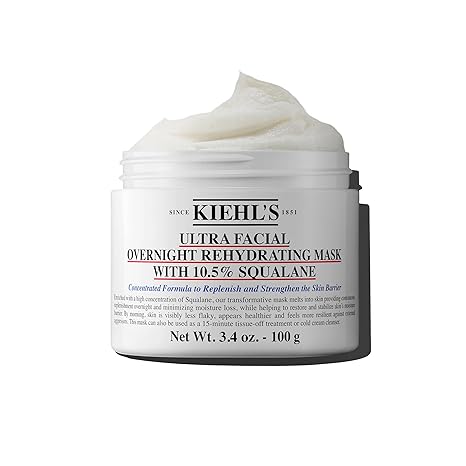
Lip butter formulas range from everyday moisturizers to richer overnight treatments. A basic nourishing option suits regular use, while a thicker sleeping mask-style product can be applied generously before bed. Tinted lip butters add a sheer wash of color alongside a soft finish, and flavored or scented varieties offer a sensory touch for users who enjoy fragrance. Some products combine butter-like emollients with a glossy appearance, while others prioritize a less noticeable finish. Packaging can shape the experience: pots allow generous application with a clean fingertip or lip applicator, tubes offer controlled dispensing, and sticks are easy to reapply on the go. Ubuy can help shoppers discover international lip butter products and compare different formats, textures, and product descriptions in one shopping destination.
- Everyday and overnight formulas
- Tinted, scented, and unscented options
- Choose a format that suits your routine
Ingredients, Moisture, and Lip Care
Lip butters commonly use emollients and occlusive ingredients to smooth the feel of dry lips and help reduce moisture loss. Shea butter, cocoa butter, plant oils, waxes, and petrolatum may appear in different combinations, with each formula offering its own balance of softness, slip, and protective feel. Ingredient names alone do not determine whether a product will suit you, so check the full label and consider your sensitivities. If fragrance or flavor tends to irritate your lips, a simple, unscented formula may be a more comfortable choice. Products with added color may also contain pigments that affect the finish. Brands such as Burt's Bees, NIVEA, and L'Occitane offer lip care products across different textures and ingredient approaches; compare each specific product rather than assuming formulas are alike.
- Look for emollients and occlusive ingredients
- Review labels for personal sensitivities
- Compare the specific formula, not only the brand
Texture, Finish, and Application Features
Texture affects how a lip butter spreads, wears, and fits into a daily routine. A lightweight cream may feel comfortable under lipstick, while a thicker or glossier formula can work well as a stand-alone lip treatment. Tinted versions provide subtle color, but their coverage is generally different from that of conventional lipstick. Consider whether you prefer a clear finish, a sheen, or a soft tint, and check product directions for guidance on application. For pots, use clean hands or a dedicated applicator; tubes and sticks can be applied directly. A small amount is often enough for an even layer, with reapplication as needed according to the product label. On Ubuy, shoppers can explore international products by reviewing descriptions, formats, and listed ingredients before choosing a lip butter.
- Match texture to your preferred finish
- Check tint and coverage expectations
- Apply with clean hands or an applicator
Everyday Uses, Storage, and Routine
A lip butter can be part of a morning routine, a comfort layer during the day, or a richer treatment before sleep. Apply it to clean, dry lips and layer other lip products only when the textures work well together. If using a lip color, a thin layer of butter can help create a smoother-feeling base; allow excess product to settle before applying color. Keep the container closed between uses and follow the storage instructions on its packaging. Avoid sharing lip products, especially pot formats that require fingertip contact, and stop using a product if irritation develops. Check the label for directions, ingredient details, and any stated use limitations. Ubuy offers a place to discover international lip care selections, while product suitability depends on individual preferences and the formula chosen.
- Use as a daytime layer or night treatment
- Keep packaging closed and follow label directions
- Avoid sharing products that contact the lips
Select the Right lip butters
Start with the way you plan to use a lip butter: everyday comfort, a glossy finish, a sheer hint of color, or a richer nighttime layer. Then compare the ingredient list, texture, scent, packaging, and directions for each product. If you have sensitive lips, consider a simpler, fragrance-free option and review ingredients carefully; individual reactions can differ. For use beneath lipstick, a less glossy texture may feel more suitable, while a pot or thicker formula may appeal when applying a treatment at home. Check the product size and applicator style as well as the finish shown or described. Ubuy can be used to discover international lip butter options and compare product details. Choosing according to your routine and personal preferences makes it easier to find a formula you will reach for regularly.
- Choose by intended use and finish
- Compare ingredients, size, and format
- Consider fragrance and personal sensitivities